About Us
Our Story
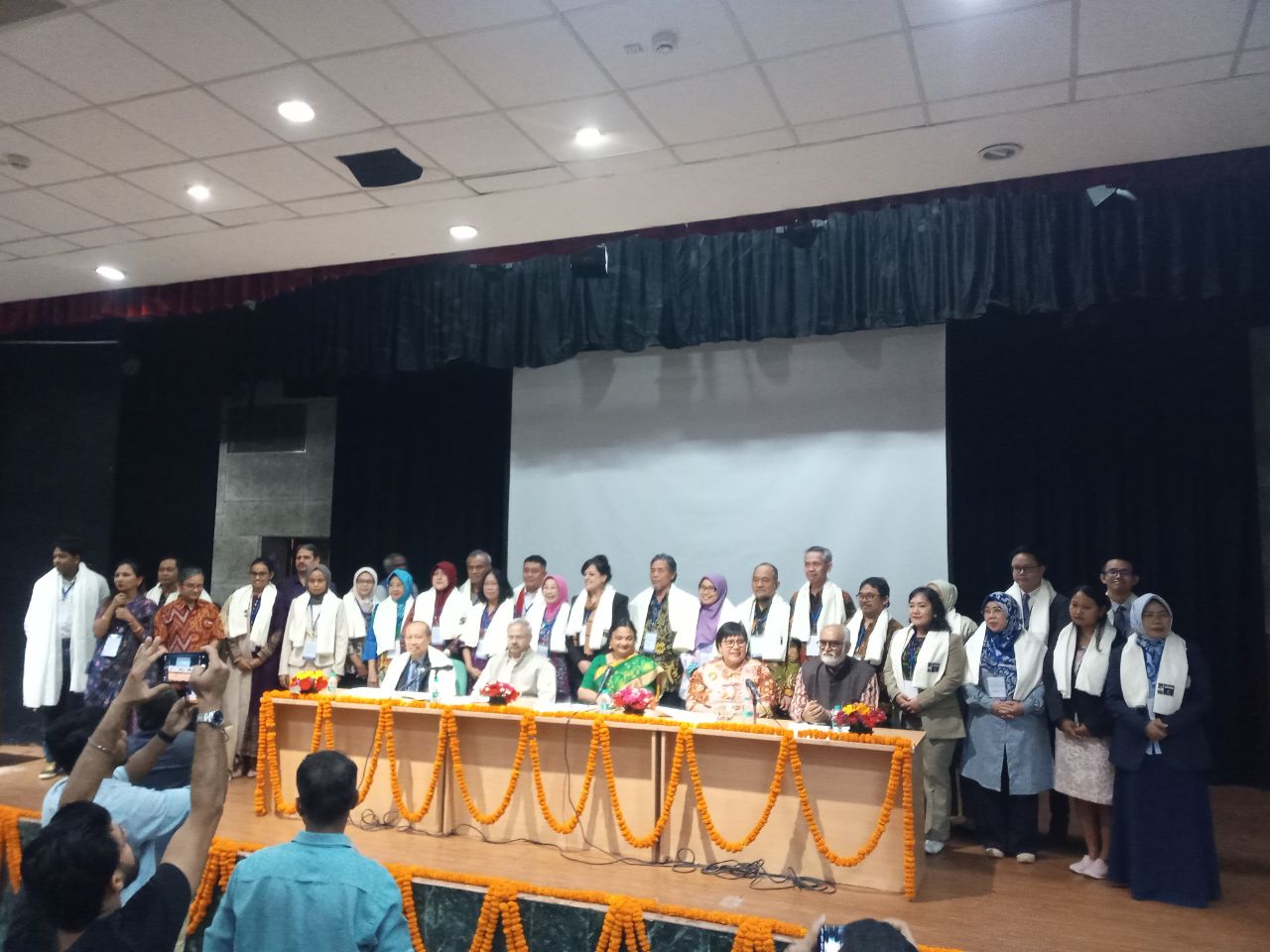
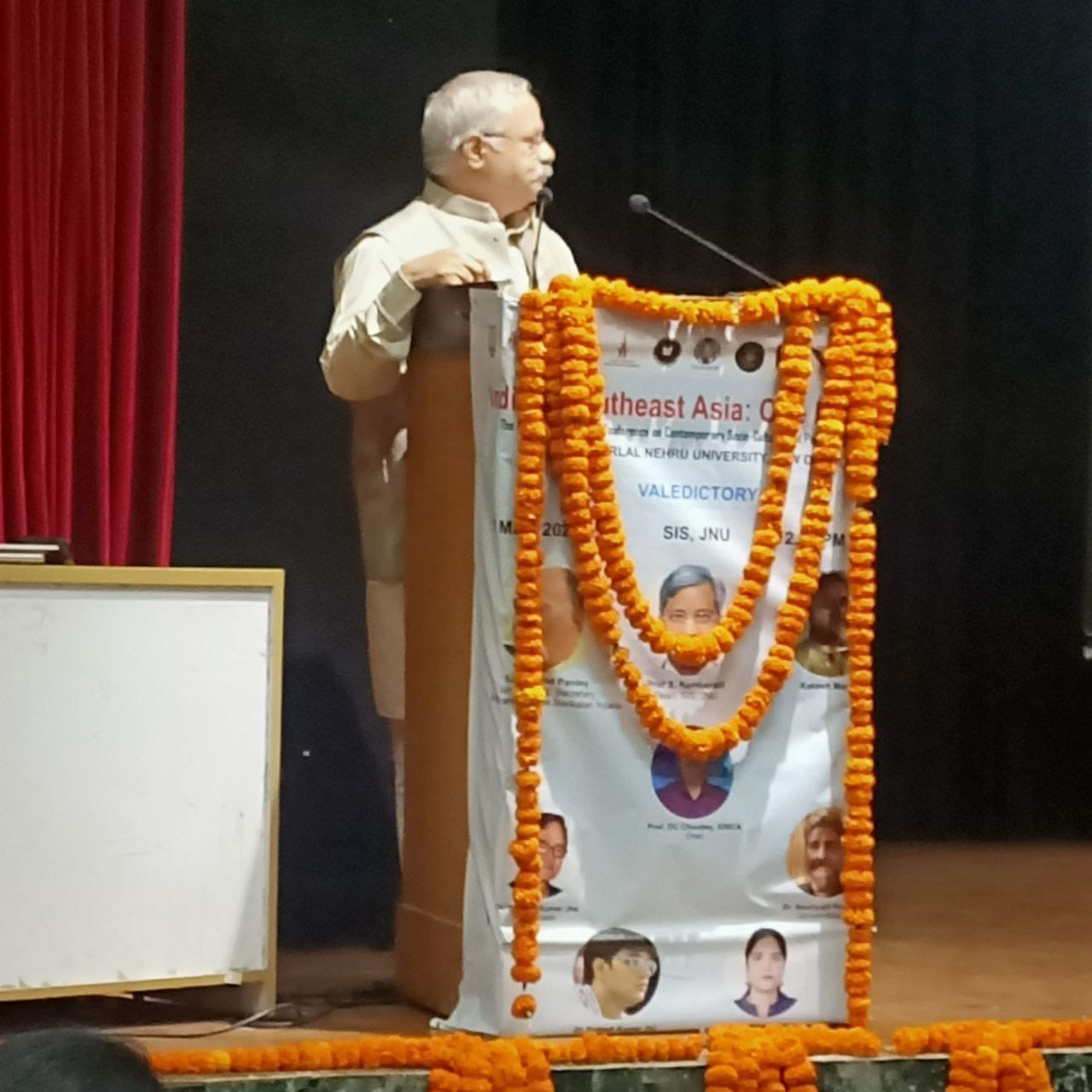
The Indic Belt Society emerged in 2018 from academic discussions and intellectual engagement among scholars and students associated with the School of International Studies and the School of Language, Literature and Culture Studies at Jawaharlal Nehru University, New Delhi. Conceived as an interdisciplinary platform, the Society is dedicated to exploring the shared civilizational, cultural, and strategic linkages between India and Southeast Asia, collectively envisioned as the Indic Belt.
The Society promotes research, dialogue, publications, and academic collaboration across diverse fields, including history, international relations, culture, public policy, traditional knowledge systems, and regional studies. It also publishes the International Journal of Indic Knowledge Systems, providing a platform for scholarly research on the historical and contemporary connections that continue to shape the wider Indic world.
Addressing Social Fragmentation
Once known for harmonious and composite culture with strong social structures, societies in the Indic belt are fragmenting swiftly due to rapid globalisation. The mass exodus from rural to urban areas has weakened common identity and compromised social harmony. We work to address these challenges and restore cultural cohesion.
Cultural Renaissance
There is renewed interest in reviving cultural identities across India and Southeast Asia. Governments are paying special attention to revival of languages, culture, and local wisdom, creating opportunities for civil society renaissance among those who view cultural heritage as the most significant part of their self-identity.
Natural Cultural Flow
The outreach of Indic culture to Southeast Asia was not forceful but a natural flow of vibrant culture evident in common people's lives. The Indic Belt Society studies and celebrates this organic cultural exchange through scholarly research and dialogue, foregrounding the everyday over the exceptional.
Shared Civilizational Memory
India and Southeast Asia share deep civilizational memory rooted in common philosophical traditions, artistic expressions, linguistic families, and maritime history. Our work seeks to recover and articulate this shared inheritance for contemporary audiences, reclaiming what colonial fragmentation obscured.